
Define the recipient moment
State who receives the gift, what is included, and what should be visible first when the package is opened.
SLATE & FOLD PROGRAM BRIEF
A corporate gift program is easier to repeat when the box, contents, insert, literature, branding, pack-out, destination, and approval process are considered together.
State who receives the gift, what is included, and what should be visible first when the package is opened.
List product dimensions, orientation, accessories, cards, insert support, and the location where the gifts will be packed.
Include quantity, destinations, target in-hand date, artwork ownership, approvers, and whether the same packaging will be reused for future gifting cycles.
Corporate gift packaging should make the contents easy to present, pack, distribute, and open. The strongest plan begins with the gift set and delivery workflow, then selects a box structure, insert, and branding direction that support those practical needs.
This guide helps teams organize a corporate gifting project without relying on a one-size-fits-all box or an unsupported delivery assumption.
List every item in the set, including cards, literature, accessories, and protective materials. Record the dimensions, weight, and preferred orientation of each component. A multi-item layout should be planned as a complete arrangement rather than as separate objects placed into an oversized box.
Decide what the recipient should see first. A centered hero product, a balanced grid, or a layered reveal can require different internal space and insert construction.
An attached lid creates a controlled opening and can work well for presentation sets. Review the lid direction, packed weight, internal layout, and closure together.
A separate lid provides a traditional reveal and can be effective when the product needs open access from above.
A sliding tray introduces a directional opening. The pull, product orientation, insert, and sleeve clearance should work as one system.
Foldable rigid boxes combine a structured presentation with flat storage before assembly. This can suit teams that need to stage boxes for campaigns or pack gifts at a central location. Compare available formats in the foldable rigid gift box collection.
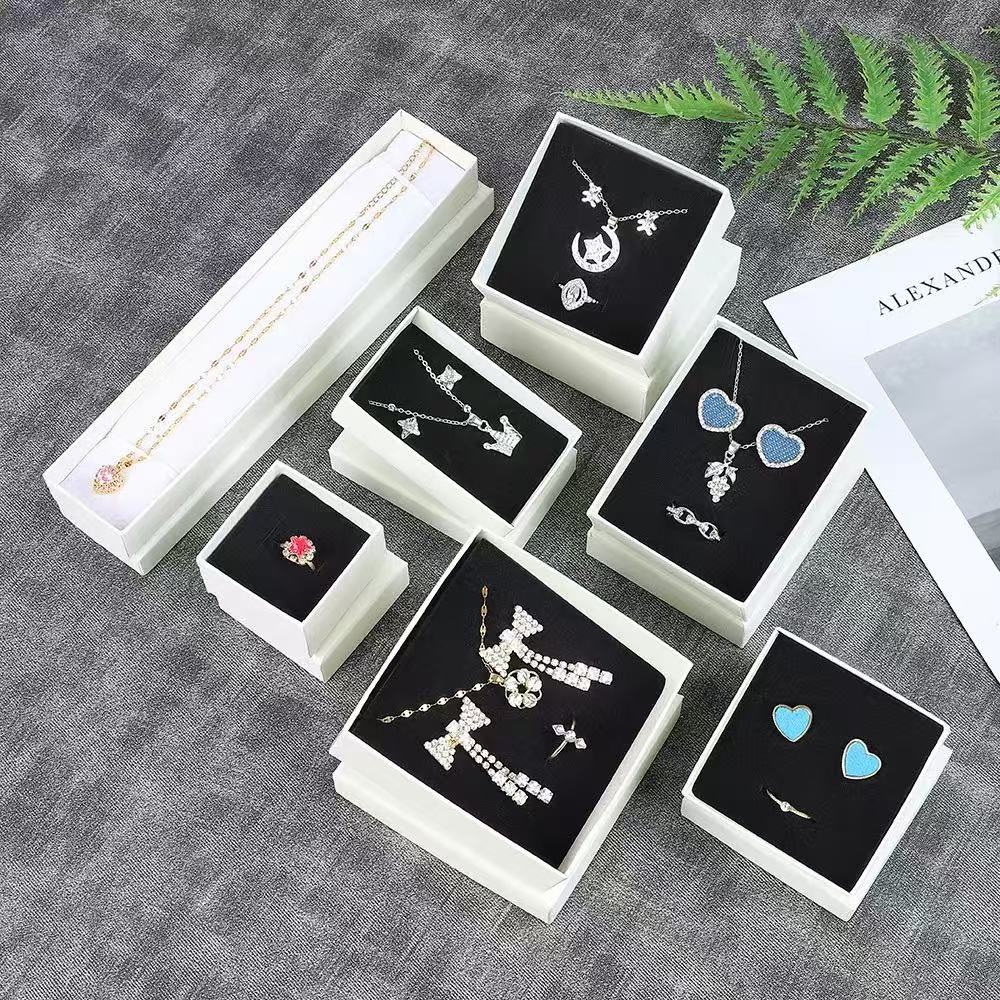
An insert can control spacing, support a multi-item arrangement, and influence how easily recipients remove products. Provide the product dimensions and layout, then identify any compartments, card slots, finger access, or protective requirements.
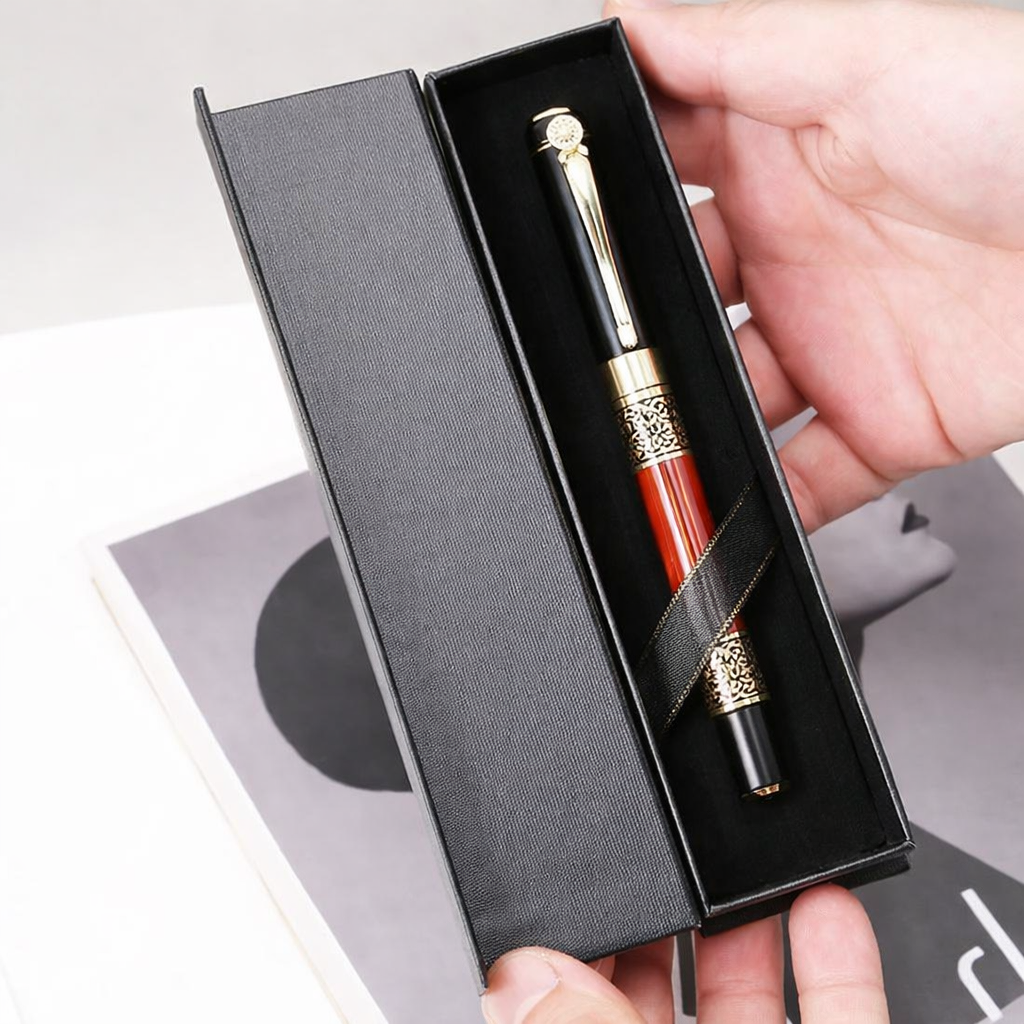
For pens and executive accessories, ready-stock presentation options may already fit the project. Browse in-stock pen gift boxes before starting a custom structure.
Decide where branding is most useful: outside the lid, inside the lid, on an insert, on a sleeve, or on a card. Include the artwork file, preferred placement, approximate size, and color direction in the brief. For a practical example, see how full-color logo printing was planned for extra-large magnetic gift boxes in a 50-box project.
The package does not need every brand element in every location. A clear hierarchy can make the logo, product, and message easier to understand.
These questions affect the practical value of flat versus formed boxes and the way finished packages should be packed for transport.
Use ready-stock packaging when an available size, color, and structure fit the gift set and timing. Use a custom project when dimensions, inserts, branding, materials, or presentation must be developed around the set.
The custom gift box collection shows relevant project paths without promising that one specification fits every campaign.
Send the available details through the custom packaging quote form. Missing specifications can be clarified during review, but accurate product dimensions and quantity are the best place to begin.
Packaging Insights
Custom Gift Box Brief: What to Include in a Quote Request
Prepare the dimensions, structure, quantity, artwork, insert, destination, and presentation details needed for a useful custom gift box quote.
Read more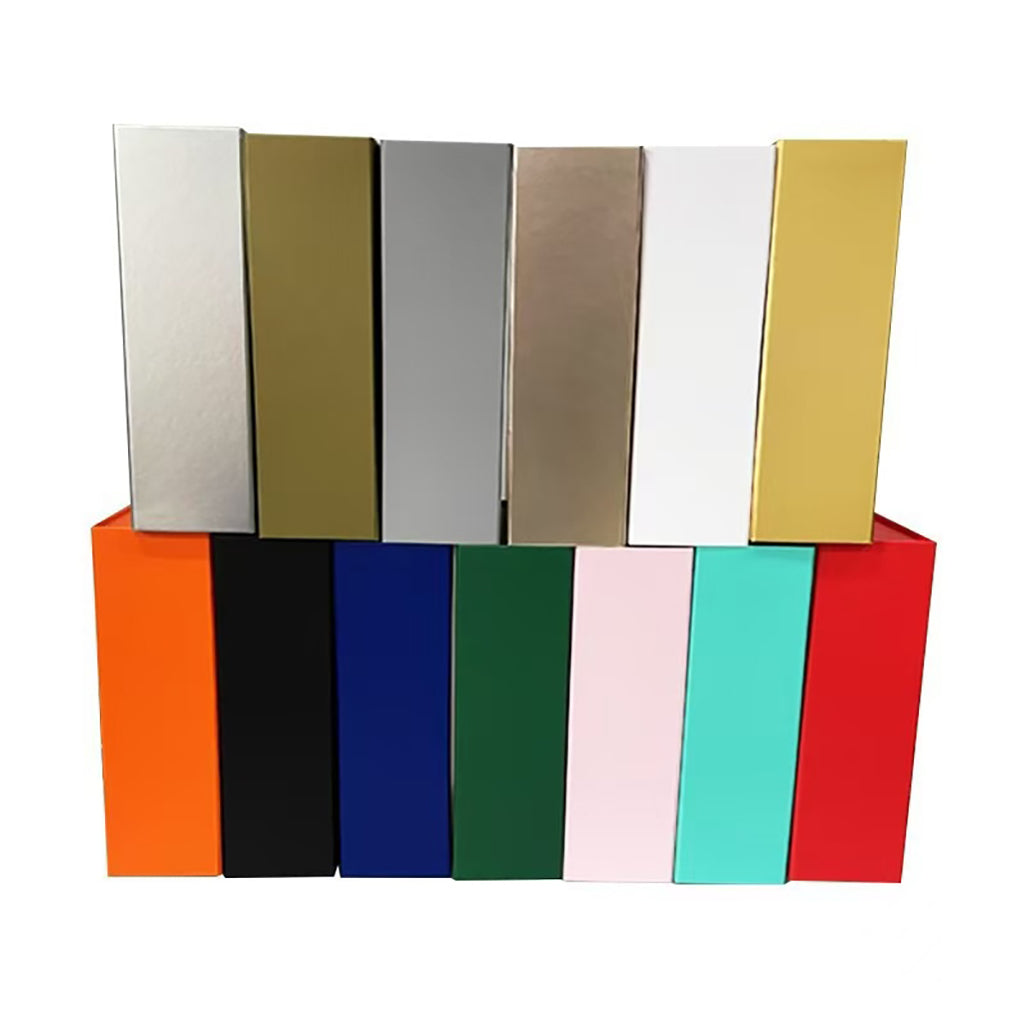
Rigid Boxes vs. Foldable Rigid Boxes
Compare formed rigid boxes and foldable rigid boxes by storage, assembly, presentation, packing workflow, and ordering path.
Read more